
Rue de Bourgogne Paris Real Estate — Buyer Guide 2026
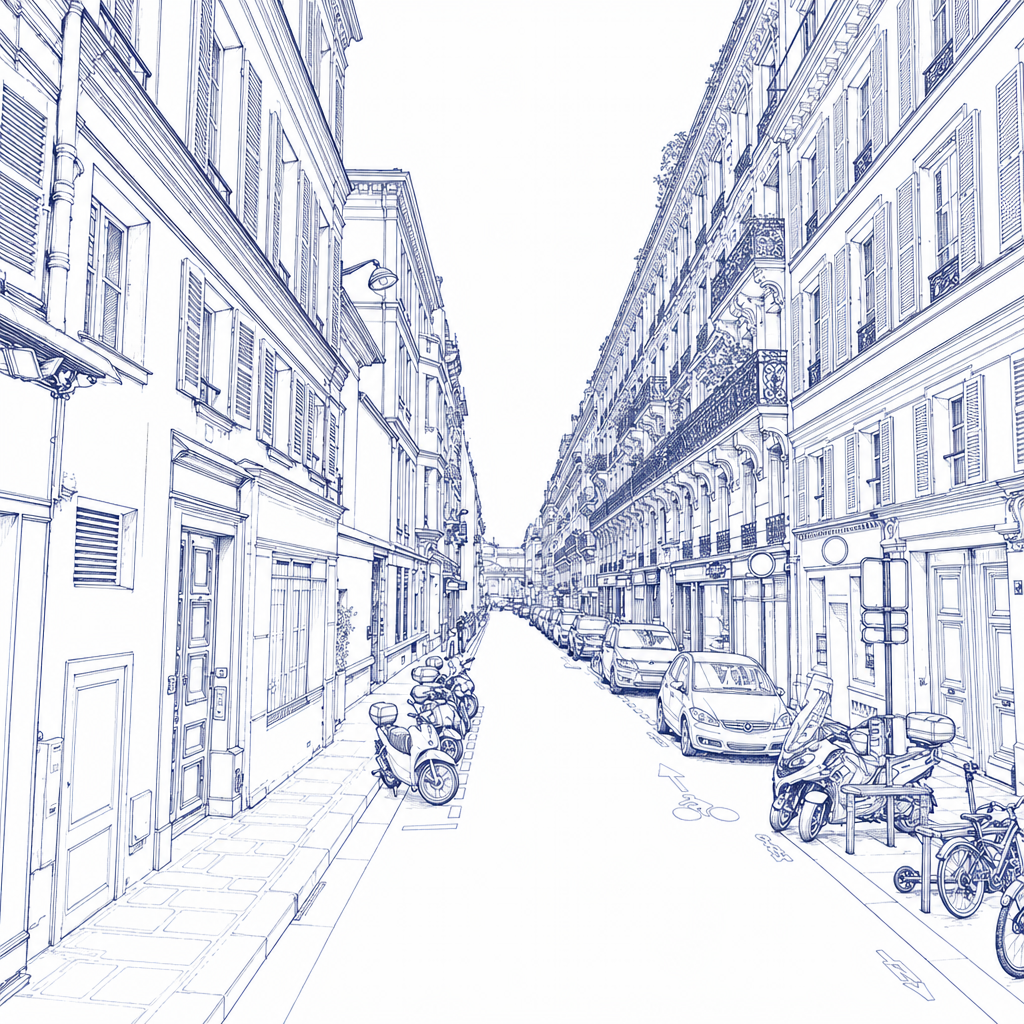
Buy apartment Rue de Bourgogne Paris: 2026 prices per m², schools, metro, buyer profile and negotiation tips from an independent Paris advisor, 20+ years.
Buying on Rue de Bourgogne, Paris: The Complete Buyer's Guide (2026)
If you want to buy an apartment on Rue de Bourgogne, Paris, you are looking at one of the quietest and most institutional corners of the 7th arrondissement. The street sits behind the Assemblée Nationale, a few steps from the Musée Rodin and the Esplanade des Invalides. In 20 years advising buyers in Paris, I have seen few addresses combine this level of calm, heritage and central location. This guide gives you the 2026 figures, the practical details and the pitfalls to avoid. Prices and timelines below are indicative ranges based on my own transactions and observations. Every apartment is different, so verify the figures against a specific property.
Real Estate Market Overview
The 7th arrondissement remains one of the most expensive and most resilient markets in Paris. For Rue de Bourgogne and its immediate surroundings, I see three broad price tiers in 2026:
- Entry tier: approx. €10,000–11,500/m². Ground-floor or courtyard-facing flats, apartments with no lift, units needing full renovation, and some small studios and two-room flats.
- Core tier: approx. €11,500–13,500/m². Well-maintained period apartments on middle floors, in good condition, with decent light and a sound co-ownership.
- Premium tier: approx. €14,000–17,000+/m². Top floors with views, renovated Haussmannian or 18th-century-style properties, terraces, and apartments with exceptional volumes or period features.
The 2026 trend is stable to slightly firming after the correction of the previous two years. Demand for quality property in the 7th has held up because supply is structurally limited. Properly priced apartments typically take 60 to 90 days to sell. Overpriced ones can stay on the market for 4 to 6 months. Because stock is small, a single transaction on the street can shift the local reference price.
Neighbourhood Amenities & Daily Life
Life here is village-like despite the central address. The Musée Rodin and its sculpture garden are a short walk away. The Musée d'Orsay and the Seine quays are about 15 minutes on foot. For green space you have the Esplanade des Invalides, the Champ de Mars and the Tuileries Garden, all within easy reach.
For shopping, the pedestrian Rue Cler market street is the classic local choice for cheese, fish, flowers and produce. The Marché Saxe-Breteuil (Thursday and Saturday) is a larger open-air market with excellent stalls. La Grande Épicerie de Paris at Le Bon Marché is the upscale option. Nearby dining on Rue Saint-Dominique includes Café Constant, Les Cocottes and Le Violon d'Ingres, which are favourites with residents and officials alike. Weekday lunch tends to be busy because of the parliamentary and ministerial presence. Evenings and weekends are peaceful.
Schools
Families buy here for the educational choice within reach.
- Primary: public elementary schools are allocated by catchment (check the Mairie du 7e). The sector has a good reputation, and there are also several Catholic private schools in the 7th.
- Secondary: the Lycée Victor Duruy (Boulevard des Invalides) is a well-regarded public lycée. Prestigious establishments in the 6th are reachable in 10–20 minutes, including Lycée Montaigne, Lycée Fénelon, Collège Stanislas and the École Alsacienne.
- International: the École Jeannine Manuel (15th) is a leading bilingual and international option, reachable by metro. The American School of Paris is in Saint-Cloud, west of Paris.
Always confirm catchment and admission rules directly, as they change.
Transport & Connectivity
Rue de Bourgogne is very well served without being noisy:
- Metro Line 13: Varenne station, with connections towards Saint-Lazare and Montparnasse.
- Metro Line 12: Assemblée Nationale station, which links to Concorde and Saint-Lazare in a few minutes and to Montparnasse on the other side.
- Invalides station: Lines 8 and 13, plus RER C, which serves Versailles and the Left Bank, and Gare d'Austerlitz.
- Rue du Bac and Solférino (Line 12) are also within walking range.
Roughly, central Paris (Concorde, Saint-Germain, Opéra) is 10–15 minutes by metro. Charles de Gaulle airport takes about 50–60 minutes via RER, and Orly about 40–50 minutes. Many residents walk or cycle for daily errands.
Safety & Quality of Life
The street is residential and calm, with a mix of owner-occupiers, diplomats, civil servants and long-standing Parisian families. Security is high because of the proximity of parliamentary and governmental buildings, with frequent police presence. Noise is generally low, but during demonstrations or official events nearby access can be restricted for a few hours. The community feel is discreet, polite and stable. Ground-floor flats and those with views of the street can occasionally pick up traffic or event noise, so visit at different times of day.
Buyer Profile
In my experience, buyers on this street are typically:
- Nationalities: French (the majority, often upgrading within Paris), plus Americans, British, Middle Eastern, Swiss and other European buyers looking for a pied-à-terre or a primary home.
- Age: mostly 40–65, with some younger buyers using family help.
- Family profile: couples with children, executives and professionals tied to government, law, diplomacy or international institutions, and retirees downsizing from larger homes.
- Budget: from around €800,000 for a small flat to €3–6 million and beyond for large apartments.
- Motivations: prestige, a safe long-term store of value, quiet central living, and proximity to schools and cultural life.
Practical Buying Advice
Viewing tips: visit twice, once on a weekday morning and once in the evening. Check natural light, floor level, orientation, street noise and the condition of the staircase and courtyard.
Negotiation margin: in 2026, I typically see 3–6% off the asking price on well-priced apartments, and up to 8–10% for properties that have lingered or need major works. Sharp, documented offers work better than low-ball ones.
Red flags: review the last three years of co-ownership minutes (procès-verbaux), planned works (roof, façade, lift), the energy performance diagnostic (DPE), the charges and the building's reserve fund. Be cautious with units that have uneven floors, humidity, or no lift above the 3rd floor. Also check for any ongoing legal disputes in the building. Budget approximately 7.5–8% of the price for notary fees on older properties.
FAQ — Buying on Rue de Bourgogne: Frequently Asked Questions
What is the average price per m² on Rue de Bourgogne in 2026?
Expect roughly €10,000–11,500/m² for entry-level flats, €11,500–13,500/m² for good standard apartments and €14,000–17,000+/m² for premium ones. The exact figure depends on floor, condition, light and building quality.How long does it take to sell or buy an apartment here?
Well-priced apartments usually sell in about 60 to 90 days. From signed offer to final deed (acte de vente), plan roughly 3 months.How much can I negotiate?
In 2026 a margin of around 3–6% is realistic on correctly priced properties. It can reach 8–10% on apartments that have stayed on the market or need heavy renovation.What additional costs should I budget?
Notary fees are about 7.5–8% of the price on older properties. Add agency fees if they are buyer-paid, renovation costs, and annual charges, which can range from a few hundred to over a thousand euros per month depending on the building's services.Which metro stations serve Rue de Bourgogne?
The nearest are Varenne (Line 13), Assemblée Nationale (Line 12) and Invalides (Lines 8 and 13 plus RER C), each reachable on foot in roughly 5–10 minutes.Entrust me with your property for a discreet sale at the best price.
Learn more →Buying?I find off-market properties that match your criteria.
Learn more →Thomas Herremans