
Rue de l'Université Paris Real Estate — Buyer Guide 2026
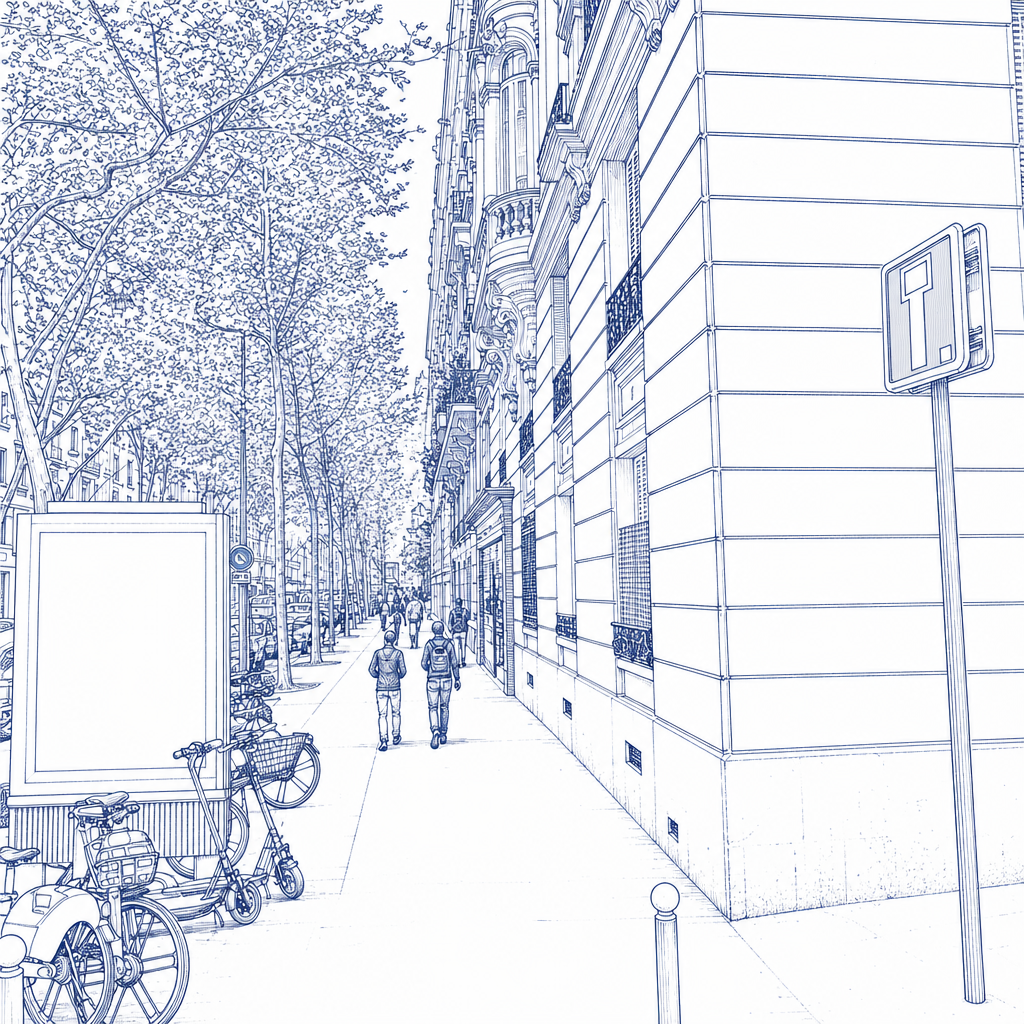
Buy an apartment on Rue de l'Université, Paris 7e: 2026 prices €/m², schools, metro, safety and expert negotiation tips from an independent Paris advisor.
Buying on Rue de l'Université, Paris: The Complete Buyer's Guide (2026)
If you want to buy an apartment on Rue de l'Université, Paris, you are looking at one of the most prestigious addresses in the 7th arrondissement. The street runs through the heart of the Faubourg Saint-Germain, from the Saint-Germain-des-Prés edge towards the Gros-Caillou and Invalides area. It is lined with 17th and 18th-century hôtels particuliers, ministries, embassies, publishers, art galleries and elegant Haussmann-era buildings. In 20 years advising buyers in Paris, I have seen few streets that combine heritage, calm and central convenience as well as this one. This guide gives you the 2026 figures, the practical details and the pitfalls to avoid.
Real Estate Market Overview
The 7th arrondissement remains Paris's most expensive district alongside the 6th. In 2026 the market is stable to slightly firmer after the correction of 2023–2024. Sellers of exceptional properties are holding their prices, while average apartments require realistic pricing. On Rue de l'Université I generally see three tiers:
- Entry tier: €10,500–€12,000/m². This covers upper-floor apartments without a lift, units needing full renovation, ground-floor or courtyard-facing flats with limited light, and some smaller studios and two-room flats.
- Core tier: €12,000–€14,500/m². This is the heart of the market: renovated Haussmann or older apartments on middle floors, with a lift, good ceiling height and period features.
- Prime tier: €15,000–€20,000+/m². This covers apartments in or near hôtels particuliers, top floors with terraces, garden or courtyard views, Eiffel Tower views and exceptional reception rooms.
Days on market: well-priced, renovated apartments typically sell in 30 to 60 days. Average listings take 60 to 90 days, and overpriced or prime properties can stay available for 120 days or more. Volumes are low because the street has few units, so patience and quick decisions are both necessary when something genuine appears.
Neighbourhood Amenities & Daily Life
Life here is elegant, walkable and cultural.
- Parks and green spaces: the Jardin des Tuileries, the Jardin du Luxembourg, the Esplanade des Invalides, the Champ de Mars and the quiet gardens of the Musée Rodin are all within a short walk or ride.
- Restaurants and cafés: Café de Flore and Les Deux Magots in Saint-Germain-des-Prés, Café Constant and Le Violon d'Ingres on Rue Saint-Dominique, and the bistro L'Ami Jean on Rue Malar. Rue du Bac and Rue de Verneuil are full of pastry shops and delicatessens.
- Markets: the Marché Raspail (organic on Sundays), the Marché Saint-Germain and the Rue Cler market street offer daily fresh produce.
- Culture: the Musée d'Orsay, the Musée Rodin, the Musée de l'Armée at Les Invalides, the Musée du quai Branly and a dense cluster of antique dealers and galleries around Rue de Verneuil, Rue de Beaune and Rue des Saints-Pères.
- Shopping: Le Bon Marché and La Grande Épicerie de Paris are about 10 minutes away on foot.
Schools
Families value the 7th for its academic offer, which includes some of the best-regarded schools in Paris.
- Primary: public écoles maternelles and élémentaires in the 7th are assigned by the carte scolaire and enjoy a solid reputation. Private Catholic options such as Saint-Thomas d'Aquin are popular.
- Secondary (state): Lycée Victor Duruy (7th) is well regarded, as are Lycée Montaigne and Lycée Fénelon in the 6th, which are among the most competitive in Paris.
- Secondary (private): École Alsacienne (6th, a historic pedagogical reference) and Collège Stanislas (6th, Catholic, highly selective).
- International: École Active Bilingue Jeannine Manuel (15th), École Bilingue and other international sections are accessible within 20 to 30 minutes by metro. The American School of Paris in Saint-Cloud is reachable by car or school bus.
- Higher education: Sciences Po (Rue Saint-Guillaume) is a few minutes away, as are several grandes écoles.
Check your exact school catchment before buying, because a few metres can change the assignment.
Transport & Connectivity
The street is very well served, so a car is not necessary.
- Metro: Line 12 (Rue du Bac, Solférino, Assemblée Nationale), Line 13 (Varenne, Invalides), Line 8 (Invalides, La Tour-Maubourg) and Lines 10 and 12 (Sèvres-Babylone). Line 4 at Saint-Germain-des-Prés is also close at the eastern end.
- RER: RER C at Musée d'Orsay and Invalides. From Invalides you also reach Orly via the Orlyval/RER B connection.
- Buses: several lines run along Rue du Bac, Boulevard Saint-Germain and the quays.
- Travel times: Châtelet in about 10 to 15 minutes, Gare de Lyon in about 20 minutes, Gare Montparnasse in about 15 minutes. Charles de Gaulle takes about 50 to 60 minutes by public transport, and Orly about 35 to 45 minutes.
- Most of the left bank and central Paris is also accessible on foot or by bike.
Safety & Quality of Life
Rue de l'Université is one of the safest and calmest streets in Paris. Government buildings, embassies and ministries mean a visible security presence, and the residential mix includes long-established Parisian families, diplomats, senior civil servants, lawyers and art-world professionals. The atmosphere is quiet and discreet, with almost no nightlife noise. Some stretches near ministries can see traffic and demonstrations, and the eastern end near Saint-Germain-des-Prés is livelier in the evenings. Courtyard-facing apartments are exceptionally quiet. The community feel is that of a refined village, with neighbours who know each other and well-run co-ownerships.
Buyer Profile
Buyers on this street are mostly French families from Paris and other regions, followed by Americans, British, Middle Eastern, Swiss, Belgian and Asian buyers. Typical ages are 40 to 65, often with children in top schools, and some are retirees downsizing within Paris. Budgets generally range from €1.2 million for a small flat to €5 million and beyond for large reception apartments. Motivations include a prestigious address, long-term capital preservation, a pied-à-terre near cultural life or government work, and access to the best schools. Many buy with significant equity, though financing remains accessible for strong profiles.
Practical Buying Advice
- Viewings: visit at different times of day to check light, street noise and courtyard sound. Look at ceiling heights, floor condition, original mouldings and parquet, chimneys, and window orientation.
- Documents: request the last three years of co-ownership general assembly minutes, the diagnostics, the works budget and the charges breakdown. Protected buildings may require approval for works.
- Negotiation margin: in 2026, expect 3 to 6% on average. Overpriced or long-listed properties may allow 7 to 10%, while very rare, well-priced apartments sell near the asking price.
- Costs: notary fees are about 7.5 to 8% for older properties.
- Red flags: major unscheduled works such as roof, façade or lift; unresolved co-ownership disputes; unauthorised alterations; poor energy rating (DPE F or G) that could affect rental options; and ground-floor flats facing a dark courtyard.
- Use an independent advisor to validate price comparisons and access off-market opportunities.
FAQ — Buying on Rue de l'Université: Frequently Asked Questions
What is the average price per m² on Rue de l'Université in 2026?
Most apartments sell between €12,000 and €14,500/m². Entry-level properties start around €10,500/m², while prime apartments with views or terraces can exceed €15,000 to €20,000/m².How long does it take to sell or buy a property here?
Well-priced apartments sell in 30 to 60 days. The average listing takes 60 to 90 days, and prime or overpriced properties can take over 120 days.How much can I negotiate?
In 2026, the typical margin is 3 to 6% of the asking price. On a €2 million apartment that represents roughly €60,000 to €120,000, depending on condition and time on the market.What budget do I need for a family apartment?
For a 100 m² apartment at the core tier, plan for about €1.2 to €1.45 million, plus about 7.5 to 8% in notary fees, which is roughly €90,000 to €115,000. Larger apartments of 150 m² or more commonly reach €2 to €3 million.Is Rue de l'Université good for investment?
Yes, for capital preservation and long-term demand. Gross rental yields are low, generally around 2.5 to 3.2%, but values have proved resilient and demand from diplomats, executives and families remains steady. Check the DPE rating before buying.Entrust me with your property for a discreet sale at the best price.
Learn more →Buying?I find off-market properties that match your criteria.
Learn more →Thomas Herremans