
Buying Real Estate in Les Halles, Paris: A Guide for International Buyers
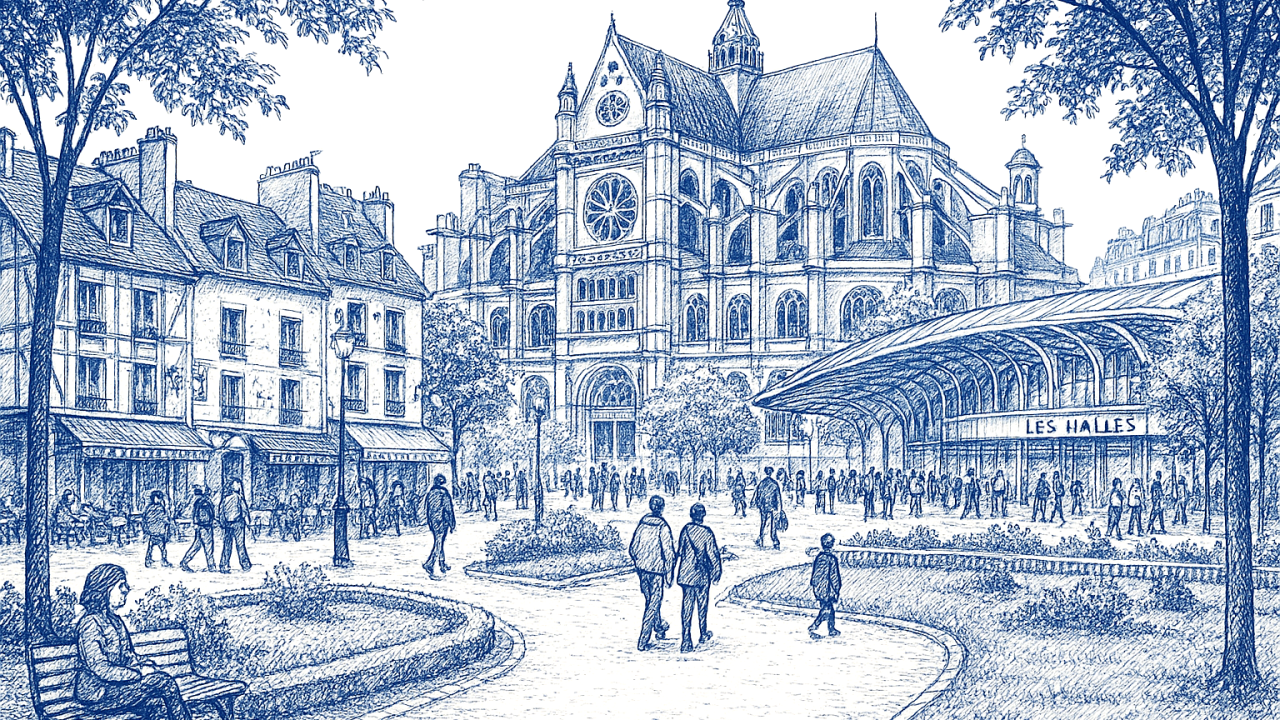
Nestled at the historical heart of Paris, Les Halles has undergone a dramatic metamorphosis over the last half-century. Once known as “the belly of Paris” for its sprawling 19th-century market pavilions, today Les Halles is a dynamic urban hub where medieval streets meet contemporary architecture. With the sprawling Forum des Halles underground complex, the glass-canopied Canopée, the medieval Rue Montorgueil food quarter, and a host of museums, theatres, and gardens, Les Halles offers unparalleled cultural, culinary, and commercial amenities. For international buyers seeking a pied-à-terre, luxury investment, or family home, Les Halles blends old-world charm, modern convenience, and strong long-term value. This guide explores everything you need to know—from neighborhood overviews and property types to pricing trends, legal factors, financing options, and practical tips—to navigate a successful real estate purchase in Les Halles.
1. Neighborhood Overview: History Meets Modernity
1.1 Historic Origins
- Medieval Market Roots: Les Halles dates to the 12th century, originally organized as an open-air produce market. “Les Halles de Paris” grew into a covered iron-and-glass complex by the mid-19th century, supplying much of the city’s food.
- Renaissance & Enlightenment: The area’s winding streets—Rue Montorgueil, Rue du Jour—bustled with artisans, greengrocers, and cafes frequented by literary figures and revolutionaries.
1.2 20th-Century Transformation
- Demolition & Redevelopment (1970s): The old pavilions were razed to make way for the controversial Forum des Halles, an underground shopping mall and transport hub.
- Public Backlash & Renewal: Criticism of 1970s architecture led to the “Paris Rive Droite” masterplan and, most notably, the 2010–2016 Canopée project, which replaced the mall’s roof with a light-permeable glass dome and resurfaced the central garden.
1.3 Today’s Les Halles
- Cultural Anchors:
- Commercial & Retail Hub:
2. Why International Buyers Love Les Halles
2.1 Central Location & Connectivity
- Transport Nexus:
- Walkability: From Le Louvre (5-minute walk) to Île de la Cité and Le Marais, virtually everything is within a 15-minute stroll.
2.2 Amenities & Lifestyle
- Gastronomy: From haute-cuisine restaurants near Rue de Rivoli to casual creperies on Rue Montorgueil.
- Shopping: Designer boutiques along Rue de Rivoli; everyday markets and specialty food shops steps away.
- Green Space: The Jardin Nelson Mandela (formerly Jardin des Halles) offers shaded benches, playgrounds, and public art under the Canopée canopy.
- Cultural Life: Galleries, museums, theaters, music venues, and a world-class film library (Cinémathèque Française is a short walk away).
2.3 Strong Investment Fundamentals
- Scarce Supply: Historic buildings and limited infill developable sites yield few modern apartments, driving competition.
- Rising Capital Values: 1st and 2nd Arrondissements have seen average annual price growth of 3.5%–4.5% over the past decade, with Les Halles often outperforming the city average.
- Robust Rental Demand: Tourists, business travelers, diplomats, and local executives all vie for furnished pied-à-tère and mid-term apartment rentals, yielding gross returns of 3.5%–5%.
3. Property Types & Architectural Styles
3.1 Haussmannian Classics
- Features: 3.5-4m ceilings, parquet floor in herringbone patterns, moldings, marble fireplaces, wrought-iron balconies.
- Sizes: Common layouts include 2-bed (60–80 m²), 3-bed (80–120 m²), and larger 4-bed family apartments (120–200 m²).
- Price Point: €15,000–€20,000/m² depending on floor level, orientation, and condition.
3.2 Loft and Attic Conversions
- Features: Open-plan living, exposed beams, skylights, contemporary finishes.
- Sizes: 40–100 m².
- Price Point: €18,000–€24,000/m² for turnkey, high-end finishes.
3.3 New Build and Infill
- Rarity: Where old garages or ancillary spaces existed, developers have carved out small-scale luxury builds—4 to 8 units, elevator, underground parking.
- Features: Modern insulation, underfloor heating, contemporary kitchens, and bathrooms.
- Price Point: €20,000–€30,000/m² for top-tier finishes and private outdoor terraces.
3.4 Studios and Micro-Units
- Target Market: Single professionals, students, pied-à-terre users or Airbnb operators.
- Sizes: 20–35 m².
- Price Point: €750,000–€1.2 million, translating to €25,000–€35,000/m² in the most central pockets around Rue Montorgueil and Rue Saint-Denis.
4. Pricing Trends and Transaction Costs
4.1 Recent Price Movements
- 2018–2023 Trends: Despite the pandemic-induced slowdown in 2020, Les Halles experienced a swift rebound in 2021–2022 as international travel resumed, with prices firming above pre-COVID levels by late 2022.
- 2024 Outlook: Tight supply, continued interest from Asian and Middle Eastern buyers, and major nearby regeneration projects (Forum des Halles Phase 2 renovations, extension of RER Line 14) are expected to underpin prices.
4.2 Breakdown of Costs
- Acquisition Price: 85–90% of the total outlay.
- Notary Fees & Transfer Taxes: 6.5%–7% of the purchase price for existing properties; 2.5%–3% for new builds.
- Agency Fees: Typically 3%–5% of the sale price, often paid by the seller but negotiable.
- Copropriété Charges: Range from €4 to €10 per m² monthly, covering building maintenance, concierge, elevator, and garden upkeep.
5. Rental Yield and Income Strategies
5.1 Short-Term Rentals (Furnished)
- Tourist Peak: June–September and December–January.
- Nightly Rates: €150–€250 for studios; €250–€500 for 2-bedrooms.
- Gross Yield: 4%–5% before management costs (20%–25% of revenue for agencies).
5.2 Mid-Term Corporate Leases
- Demand: Executives, consultants, diplomats requiring 3–12 month stays.
- Monthly Rates: 1.2× to 1.5× standard long-term unfurnished rent, often including utilities and service packages.
- Gross Yield: 3.5%–4.5% with lower turnover and cleaning costs.
5.3 Long-Term Unfurnished Rentals
- Stable Tenancy: Minimal vacancy, reliable tenants if priced at market levels.
- Gross Yield: 2.5%–3.0%, factoring in landlord’s government-regulated rent increases (IRL index).
6. Legal and Regulatory Landscape
6.1 Registration for Short-Term Rentals
- 120-Night Cap: For primary residences; secondary homes require a “commercial use” permit or swapping primary residence designation.
- Registration Number: Must display on all listings; failure to register can lead to fines of €50,000 per dwelling.
6.2 Co-Ownership Rules
- Copropriété Documents: Demand the last 3 years’ AGM minutes, building financial statements, and reserve fund status.
- Major Works: Façade restorations and structural works are common; costs can run €5,000–€20,000 per owner share.
6.3 Tax Considerations
- Rental Income Tax:
- Wealth Tax (IFI): Applies to non-residents on net French real estate holdings >€1.3 million; structuring via SCI can optimize.
7. Financing the Purchase
7.1 Mortgage Availability for Non-Residents
- LTV Ratios: 70%–75% for non-EU clients; up to 85% for EU nationals.
- Debt Service Ratio: Banks cap total debt service at 35% of gross monthly income.
- Documentation: Three years of tax returns, proof of deposit, credit reference checks.
7.2 Interest Rate Environment
- Fixed Rates (2024): 3.1%–3.8% for 15–20 year terms.
- Insurance: “Assurance emprunteur” typically 0.3%–0.6% of loan amount annually; seek external offers under “Loi Bourquin.”
7.3 Currency Hedging Solutions
- Forward Contracts: Lock in EUR costs when your income is in USD, GBP, or other currencies.
- Multi-Currency Drawdowns: Some banks offer loans disbursed in two currencies to spread FX risk.
8. Due Diligence and the Buying Process
8.1 Defining Your Objectives
- Personal Use vs. Pure Investment vs. Mixed Model: Dictates property size, furnishing level, and lease strategy.
8.2 Property Inspection
- Technical Surveys: Electrical, plumbing, structural (état parasitaire, asbestos, lead, termite checks).
- Building Review: Verify Dossier de Diagnostic Technique (DDT), co-ownership reserve fund adequacy, and upcoming general-assembly votes.
8.3 Negotiation and Contract Stages
- Offer (“Offre d’Achat”): Non-binding; accompanies proof of funds or mortgage pre-approval.
- Compromis de Vente: Pre-sale agreement with conditions precedent (loan approval, satisfactory surveys). Cooling-off period of 10 days.
- Acte Authentique: Final deed signed at the notaire 8–12 weeks later, with funds wired and keys handed over.
9. Renovation, Staging & Value-Add
9.1 Renovation Tips
- Preserve Character: Retain moldings and fireplaces; upgrade kitchens/bathrooms sparingly to maximize ROI.
- Energy Upgrades: Double glazing, boiler replacement, insulation to improve DPE and appeal to eco-minded tenants.
9.2 Professional Staging
- Neutral Palette: White walls, natural wood tones to showcase space.
- Furniture Layout: Demonstrate optimal use of compact spaces.
- Photography & Virtual Tours: Essential for attracting international buyers and short-term rental guests.
9.3 Technology Integration
- Smart Locks & Climate Control: Keyless entry and app-based thermostat for remote management.
- High-Speed Internet: Fiber installation boosts corporate rental appeal.
Well-executed staging and technology upgrades can lift sale prices by 10%–15% and enhance rental yields by 20%.
10. Long-Term Outlook and Exit Strategies
10.1 Capital Appreciation
Les Halles’s scarcity and enduring prestige point to steady price growth of 3%–5% annually, mirroring the core 1st and 2nd Arrondissements.
10.2 Adaptive Reuse & Redevelopment
As Paris continues to refine the Halles masterplan—with further public-space enhancements and heritage restorations—early entrants stand to benefit from surging local desirability.
10.3 Exit Options
- Resale to Global UHNWIs: Trophy properties in Les Halles draw international attention at premium prices.
- Conversion to Family Primary Residence: Ideal for owners transitioning to full-time Paris living.
- Portfolio Diversification: Package multiple pied-à-terres into an SCI for flexible sale-leaseback structures or phased divestments.
Conclusion Les Halles stands as Paris’s ultimate crossroads of history, gastronomy, culture, and commerce. For international buyers, its blend of medieval alleys, contemporary architecture, world-class dining, and unmatched transport links creates a singular real-estate proposition: a property that delights as a personal sanctuary and performs robustly as a financial asset. By understanding the unique market dynamics, regulatory frameworks, and financing avenues detailed in this guide—and by partnering with local experts for due diligence, renovation, and management—you can secure a strategic foothold in Les Halles, ensuring both lifestyle satisfaction and long-term investment success.
Bienvenue chez vous in Les Halles: the beating heart of Paris, where every street corner tells a story and every apartment holds the promise of timeless value.
Thomas Herremans