
Rue de Lappe
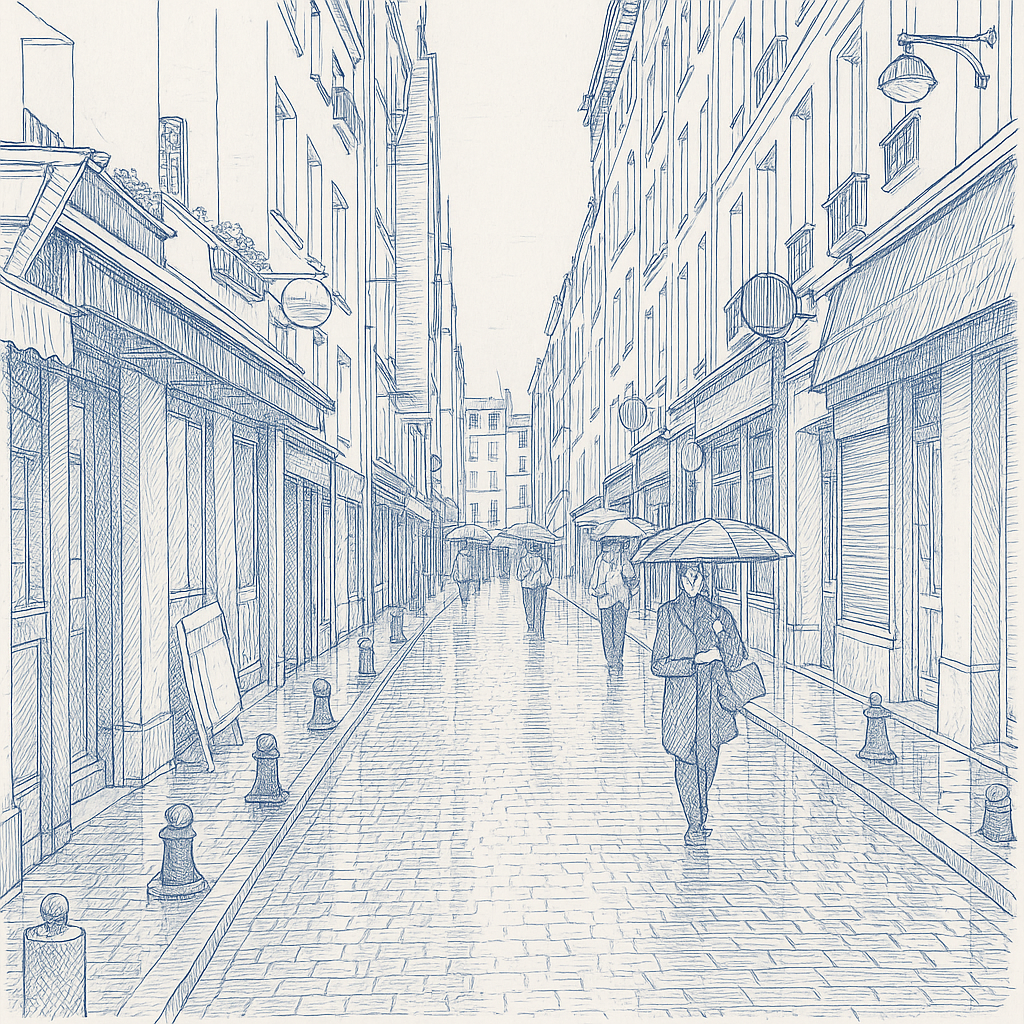
Tucked away in the 11th arrondissement, just steps from Place de la Bastille, Rue de Lappe is a small street with an explosive character. Connecting Rue de la Roquette to Rue de Charonne, this narrow, cobbled street radiates a particular energy, blending working-class nostalgia with nighttime vitality. Long considered the birthplace of the Parisian 'bal musette', it still carries an electric atmosphere after dark, mixing quirky bars, colorful façades, and memories of a festive, popular Paris. Unlike the more residential streets surrounding the Bastille district, Rue de Lappe cultivates the identity of a street-as-spectacle, where working-class and immigrant history mingles with contemporary nightlife, offering a striking contrast to its quiet daytime calm.
The history of Rue de Lappe is closely tied to Auvergnat immigration during the 19th and early 20th centuries. Many Auvergnats, often coal merchants or 'bougnats', settled here, opening cafés and popular dance halls that became meeting points for workers from the nearby Faubourg Saint-Antoine, the historic district of furniture-making and craftsmanship. It was in this context that the famous 'bal musette' was born in the 1920s and 1930s, blending accordion music, the java dance, and a somewhat shady clientele. The Balajo, opened in 1936 by Jo de France at number 9, remains its most famous embodiment: this legendary dance hall, once frequented by Édith Piaf herself, still resists passing trends today, perpetuating the festive spirit of the street. During the Occupation, Rue de Lappe continued its nighttime activity, not without risk, as the dance halls were sometimes monitored by the authorities. After the war, the street gradually declined, before being reborn in the 1980s and 1990s as a hub of trendy nightlife, driven by the gentrification of the Bastille district and the opening of numerous themed bars. Today, Rue de Lappe preserves this popular memory while adapting to new generations of night owls.
Architecturally, Rue de Lappe features modest, heterogeneous buildings typical of Paris's former artisanal faubourgs: low buildings of two to four stories, stone or plaster façades, often renovated in vibrant colors, with commercial storefronts occupying the ground floors. Classic Haussmannian buildings are scarce here; the street has retained an older urban fabric inherited from the 18th and 19th centuries, with a few interior courtyards and craftsmen's workshops converted into living spaces.
Neighborhood life on Rue de Lappe transforms radically between day and night. During the day, the street is surprisingly quiet, with a handful of local shops and wine merchants. As evening falls, cocktail bars, pubs, and the Balajo attract a young, festive crowd, especially on weekends. The immediate proximity of Place de la Bastille, the Bastille metro station (lines 1, 5, and 8), and the Bastille itself make this an extremely well-connected area. Residents, often young professionals and creatives, appreciate the lively neighborhood while contending with the noise typical of such a festive street.
The real estate market on Rue de Lappe appeals to a specific clientele: young professionals, furnished tourist rental investors, and fans of lofts or artist workshops converted into apartments. Available properties are often small, studios or one-bedroom apartments, sometimes featuring exposed beams or the unusual character inherited from former workshops. Prices per square meter break down as follows: standard properties between €9,500 and €10,800/m², high-end renovated properties between €11,000 and €12,500/m², and exceptional properties—lofts or duplexes with terraces—between €13,000 and €14,500/m². Turnover is fairly quick, averaging about two months, driven by particularly strong tourist and young rental demand in this iconic Bastille-area street.
In conclusion, Rue de Lappe remains a street apart, caught between popular memory and unapologetic nightlife. It will above all appeal to lovers of intense urban living, young professionals seeking dynamism, and investors drawn to the rental potential of this historic and ever-lively district.
Thomas Herremans