
Rue de Paradis — Where Parisian Elegance Reclaims Its Throne
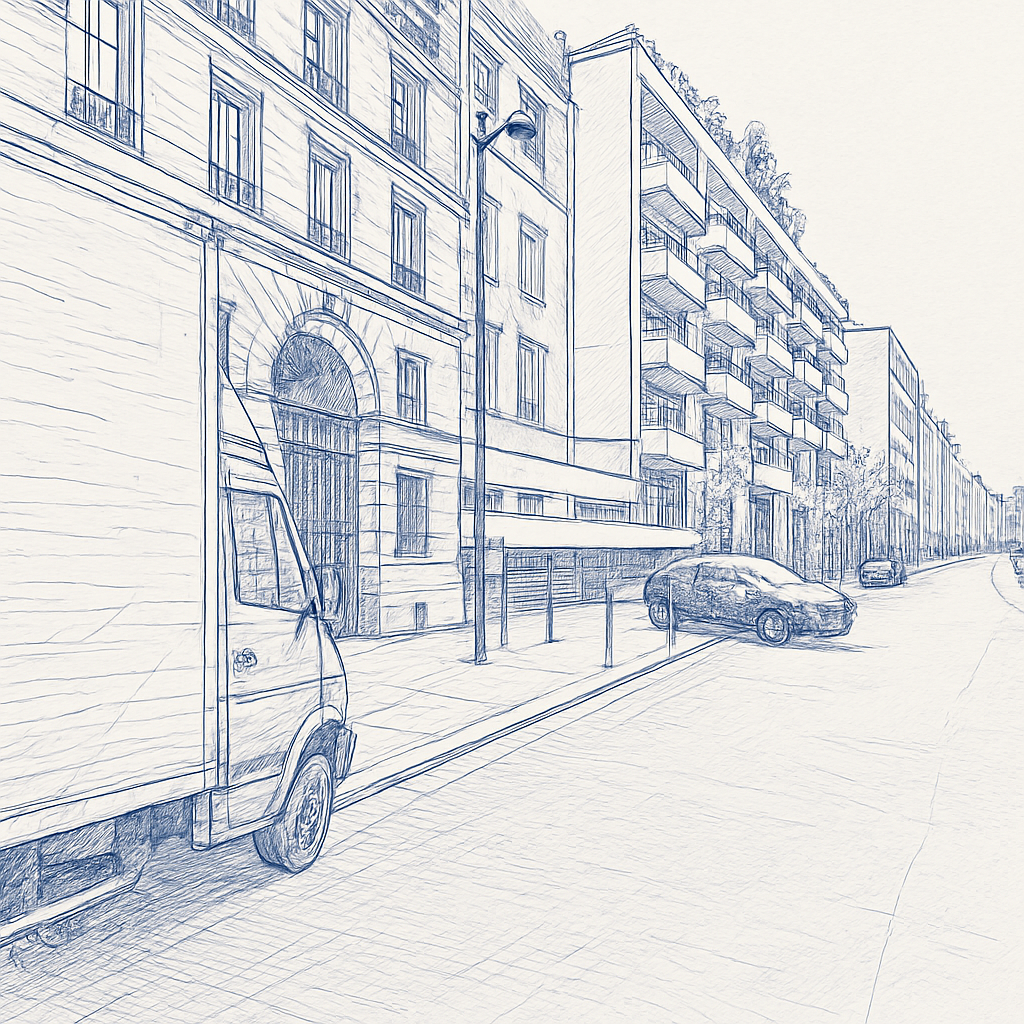
Rue de Paradis links Boulevard de Strasbourg to Rue du Faubourg Poissonnière at the heart of the tenth arrondissement, in a long-overlooked area that has been regaining its former lustre in recent years. Famous for having concentrated the greatest French porcelain and crystal houses in the nineteenth century, it still preserves the sumptuous remnants of this unique commercial history, between ornate façades and Art Nouveau shop windows. Less well known than the neighbouring grand boulevards, Rue de Paradis charms with its preserved authenticity and its atmosphere of a neighbourhood in full renaissance, where new creative shops, trendy restaurants and beautifully preserved heritage buildings coexist. It now represents one of the most promising addresses in a Paris that is reinventing itself, between industrial heritage and contemporary effervescence.
The history of Rue de Paradis is intimately linked to the rise of the glass and porcelain industry in nineteenth-century France. From the 1830s onwards, the great manufacturers, notably the Baccarat crystal works, established their showrooms and sales offices here, taking advantage of the proximity of the Gare du Nord and Gare de l'Est for the transport of goods. The street then became the world epicentre of the porcelain and crystal trade, attracting an international clientele who came to admire and acquire the finest pieces produced in France. The Baccarat museum, housed in a former mansion on the street, still bears witness to this prosperous period today, preserving in its display cases exceptional pieces that once adorned the tables of the greatest European courts. The origin of the street's name remains debated, with some historians linking it to a former establishment or sign bearing this evocative name, others to the ancient presence of enclosed gardens evoking earthly paradise. In the twentieth century, the street experienced a slow commercial decline parallel to that of the French crystal industry, before finding new dynamism from the 2010s onwards with the arrival of a generation of designers, creators and restaurateurs drawn by its industrial volumes and still-affordable rents. This renaissance has been accompanied by a heritage rediscovery, with several buildings undergoing careful restoration highlighting historic shopfronts and original interior décor.
The architecture of Rue de Paradis stands out for its exceptional commercial façades dating from the late nineteenth and early twentieth centuries, with wrought-iron shopfronts, small-paned windows and pediments adorned with mosaics evoking crystal and ceramic production. The residential buildings, mostly built between 1850 and 1900, display classic Haussmannian architecture, punctuated by a few artists' studios and industrial warehouses converted into contemporary lofts, offering a rare architectural diversity in the Parisian landscape.
The neighbourhood life of Rue de Paradis has profoundly evolved in recent years, with the arrival of creative restaurants, independent wine merchants and design boutiques that coexist with the last historic shops linked to crystal and porcelain. The district attracts a young, creative population, as well as professionals from the cultural industries drawn by the proximity of the Gare du Nord and Gare de l'Est and by rents still reasonable compared to neighbouring arrondissements. Lively evening cafés testify to this new effervescence, while the Square Alban-Satragne offers a welcome green space just steps away.
The real estate market of Rue de Paradis today attracts a clientele of investors and young professionals drawn by the district's growth potential and by atypical volumes inherited from the street's industrial past, notably former workshops converted into bright lofts. Standard prices range from €8,000 to €9,200 per square metre for a property requiring renovation, between €10,000 and €11,500 for a high-end renovated apartment, and can reach €12,500 to €13,500 per square metre for an exceptional loft or a former artist's studio with preserved glass roof. Marketing periods, once longer, have considerably shortened in recent years, testifying to the growing appeal of this address in full transformation.
Rue de Paradis, long discreet, now stands as one of the most promising addresses in the tenth arrondissement, at the crossroads of a unique industrial heritage and an assumed contemporary effervescence. It particularly appeals to savvy investors and lovers of authenticity, seeking a Paris still in the making.
Thomas Herremans