
Rue Vaneau — Where Parisian Serenity Meets Timeless Elegance
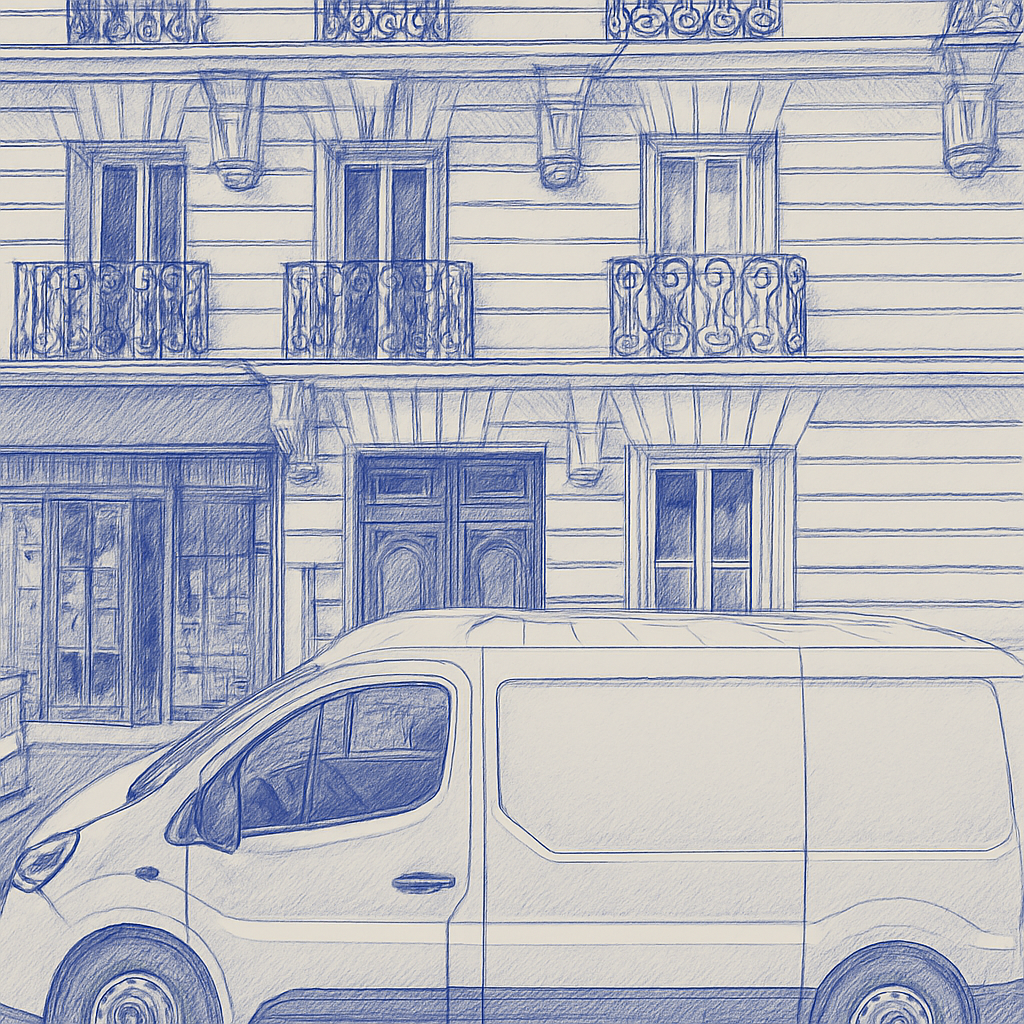
Rue Vaneau curves through one of the calmest and most sought-after areas of the seventh arrondissement, between Rue de Babylone and Rue de Sèvres, just steps from Le Bon Marché and the Luxembourg Gardens. A residential street par excellence, it almost entirely escapes commercial bustle to offer a hushed living environment, appreciated by a discreet population made up of diplomats, academics and heritage families. Its gentle curve, its bourgeois buildings aligned with regularity and its near-total absence of shops make it a place apart, almost secret, within an otherwise highly popular arrondissement. Far from the effervescence of the nearby Rue du Bac or Rue de Sèvres, Rue Vaneau cultivates a discretion that appeals to those seeking above all residential tranquillity.
Rue Vaneau owes its name to Nicolas Vaneau, an army engineer captain who died in 1830 during the Trois Glorieuses uprising, honoured thus by the City of Paris for his role in the revolutionary events of July. Progressively pierced during the nineteenth century over former market-garden land and convents belonging to religious communities of the Faubourg Saint-Germain, the street truly took shape from the 1830s-1850s onwards, in connection with the general urbanisation of the district under the July Monarchy and then the Second Empire. It quickly acquired a reputation as a literary and intellectual street: André Gide lived there for several years at number 1 bis, in an apartment now marked by a commemorative plaque, receiving numerous writers and artists of his time. The street has also housed several embassies and diplomatic residences taking advantage of the calm and security offered by this quiet thoroughfare despite its immediate proximity to the major axes of the seventh arrondissement. This diplomatic vocation continues today, with several official representations occupying mansions or large apartments along the street. The relative calm of Rue Vaneau, contrasting with the bustle of neighbouring arteries, has always made it a refuge for those seeking to work or live sheltered from noise while remaining in the heart of Paris.
The architecture of Rue Vaneau consists mainly of nineteenth-century bourgeois buildings, with sober and elegant façades, punctuated by continuous wrought-iron balconies and carriage doors leading to leafy interior courtyards. A few older mansions survive, converted into diplomatic residences or high-end co-ownerships. The regularity of heights and the quality of the cut stone give the street a rare visual harmony, reinforced by the absence of shops which preserves the unity of the ground floors, often remaining residential or occupied by discreet liberal professions.
The neighbourhood life of Rue Vaneau is characterised by a tranquillity rare for such a central location. Few shops line the street directly, but it benefits from the immediate proximity of Le Bon Marché, the shops of Rue de Sèvres and the renowned restaurants of the Saint-Germain district. Residents particularly appreciate the proximity of the Square Boucicaut and the Luxembourg Gardens, accessible within a few minutes' walk, as well as the excellent public transport network offered by nearby metro stations. The nighttime atmosphere is particularly peaceful, the street regaining an almost provincial calm after office hours.
The real estate market of Rue Vaneau caters to a heritage and diplomatic clientele, seeking discretion and tranquillity within a prestigious arrondissement. Properties on offer are mostly large family apartments of four to seven rooms, with classic Haussmannian features: Versailles parquet flooring, mouldings, marble fireplaces and generous ceiling heights. Standard prices range from €13,500 to €15,000 per square metre for a property requiring renovation, between €16,500 and €18,500 for a high-end renovated apartment, and can reach €20,000 to €22,000 per square metre for an exceptional noble floor overlooking a leafy courtyard or for a former mansion partially preserved. Marketing periods remain moderate, generally six to ten weeks, due to the scarcity of properties available on this confidential market where transactions are often conducted privately.
Rue Vaneau embodies a Parisian art of living founded on discretion, heritage elegance and immediate proximity to the great cultural and commercial institutions of the seventh arrondissement. It appeals to a demanding, often international clientele, seeking a calm and prestigious pied-à-terre, far from tourist bustle yet at the beating heart of Paris.
Thomas Herremans